Conference Technical Sessions & Themes
Advancing accounting knowledge in an era of innovation and global challenges
CHAIRMAN
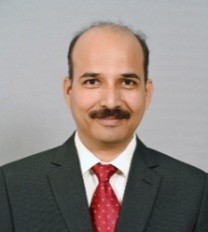
Dr. Prof. Udai Paliwal
Director, Institute of Commerce,Nirma University,Ahmedabad (Gujarat)
CO-CHAIRMAN

Prof. Anurag Agnihotri
College of Vocational StudiesUniversity of Delhi, New Delhi
Technical Session 1: Technology-enabled Innovations in Accounting
- Artificial Intelligence and Machine Learning in Accounting and Auditing
- Blockchain Technology and Distributed Ledger Systems in Accounting
- Cloud-Based Accounting Systems and Digital Financial Reporting
- Accounting Information Systems (AIS) and Enterprise Resource Planning (ERP)
- Cybersecurity, Data Privacy, and Digital Risk Management in Accounting
- Big Data Analytics for Accounting, Auditing, and Financial Decision-Making
- Automation, Robotic Process Automation (RPA), and Continuous Auditing Models
- Use of Predictive Analytics and Decision Support Systems in Accounting
- Digital Transformation of Management Accounting and Cost Accounting
- Technology-Driven Innovations in Tax Accounting and Compliance
- Role of Fintech and RegTech in Accounting and Financial Reporting
- Ethical Challenges and Professional Judgement in Technology-Driven Accounting
- Impact of Digital Technologies on Accounting Standards and Regulation
- Future Skills, Competencies, and Professional Ethics for Accounting Professionals
- Role of Accounting Professionals in the Digital Economy
CHAIRMAN

Prof. Biju T.
Professor and Head Department of Commerce,University of Kerala, Thiruvananthapuram (Kerala)
CO-CHAIRMAN
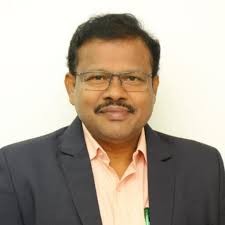
Prof. Indrakanti Shekhar
Dept. of Commerce, UCC&BM,Osmania University, Hyderabad (Telangana)
Technical Session 2: GST 2.0 – The New Tax System and Its Impact on the Economy
- Evolution of GST in India: From GST 1.0 to GST 2.0
- Structural and Policy Reforms under GST 2.0
- Digitalization of GST Compliance, Returns, and Administration
- GST 2.0 and Technology-Based Tax Governance
- GST and Ease of Doing Business in India
- Impact of GST 2.0 on MSMEs, Start-ups, and Small Traders
- GST Compliance Cost and Administrative Efficiency
- GST Revenue Performance, Buoyancy, and Fiscal Federalism
- GST and Inter-State Trade and Commerce
- Sectoral Impact of GST 2.0 (Manufacturing, Services, Agriculture, E-commerce)
- Input Tax Credit Mechanism and Its Economic Implications
- GST 2.0 and Taxpayer Behaviour and Compliance Culture
- GST Litigation, Dispute Resolution, and Legal Challenges
- Role of Technology, AI, and Data Analytics in GST Administration
- GST 2.0 and Inflation, Prices, and Consumer Welfare
- Comparative Analysis of GST Systems: India and Other Countries
- Challenges, Bottlenecks, and Implementation Issues in GST 2.0
- Future Roadmap and Policy Directions for GST in India
CHAIRMAN

Prof. Pradipta Banerjee
Professor and Head, Department of Commerce and Business AdministrationSidho-Kanho-Birsha University, West Bengal
CO-CHAIRMAN
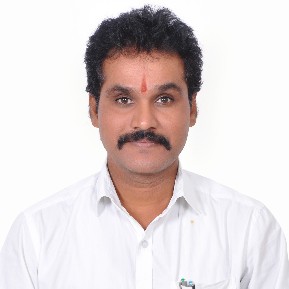
Prof. Rajendra Katla
Department of Commerce and Business Management,Kakatiya University, Warangal (Telangana)
Technical Session 3: Role of Accounting and Finance in Viksit Bharat – 2047
- Accounting and Financial Governance for Sustainable Development
- Role of Accounting in Inclusive, Equitable, and Balanced Economic Growth
- Accounting and Finance in Achieving Viksit Bharat @2047
- Corporate Financial Strategies for Nation Building and Economic Transformation
- ESG Reporting, Sustainability Accounting, and Green Finance
- Accounting for Climate Change, Carbon Accounting, and Environmental Disclosure
- Public Sector Accounting Reforms and Fiscal Transparency
- Accounting and Financial Reporting for Infrastructure Development
- Financial Management and Accountability in Public-Private Partnerships (PPPs)
- Accounting and Finance for Start-ups, Innovation, and Entrepreneurship
- Role of Accounting in Strengthening Financial Markets and Institutions
- Financial Reporting for Economic Resilience and Macroeconomic Stability
- Accounting Standards, Harmonization, and Global Convergence
- Future of Accounting Profession in Viksit Bharat – 2047
International Seminar
CHAIRMAN
Prof. K.S. Thakur
Vice Chancellor,Govind Guru Tribal University, Banswara (Rajasthan)
CO-CHAIRMAN

Prof. Meenu Maheswari
Department of Commerce,Kota University, Kota (Rajasthan)
Theme 1: Accounting Education (NEP, AI & Employment-Oriented Curriculum)
- Integration of National Education Policy 2020 in Accounting Curriculum Design
- Role of Artificial Intelligence in Transforming Accounting Education
- Skill-Based Accounting Education for Enhancing Employability
- Outcome-Based Education (OBE) in Accounting under NEP Framework
- Industry-Academia Collaboration for Employment-Oriented Accounting Programs
- Use of AI Tools in Auditing and Financial Reporting Training
- Digital Accounting and FinTech Integration in Curriculum
- Competency-Based Learning Approaches in Accounting Education
- Impact of NEP on Vocationalization of Commerce and Accounting Education
- Ethics, Governance, and Sustainability in AI-Driven Accounting Practices
- Blended Learning and E-Learning Platforms in Accounting Education
- Data Analytics and Big Data Skills in Modern Accounting Curriculum
- Bridging the Skill Gap between Accounting Graduates and Industry Needs
CHAIRMAN
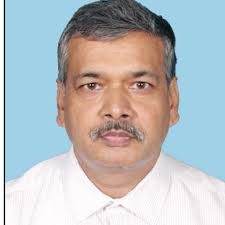
Prof. C.A. Sunil Kumar Gandhi
Formerly Department of Commerce,University of Kolkata, Kolkata (West Bengal)
CO-CHAIRMAN
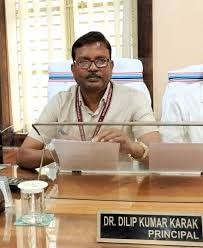
Dr. Dilip Kr. Karak
Pincipal, Bethuadahari College,Nadia, (West Bengal)
Theme 2: Accounting Research (Qualitative Research Focus)
- Application of Qualitative Research Methods in Accounting Studies
- Ethnographic Research in Accounting Practices and Organizational Culture
- Interpretive Research Paradigms in Accounting
- Role of Interviews and Focus Groups in Accounting Research
- Grounded Theory Approach in Accounting and Auditing Research
- Narrative and Discourse Analysis in Corporate Reporting
- Qualitative Insights into Corporate Governance and Accountability
- Social and Environmental Accounting: A Qualitative Perspective
- Behavioral Accounting Research using Qualitative Techniques
- Exploring Ethical Issues in Accounting through Qualitative Methods
- Qualitative Research in Public Sector Accounting and Policy Analysis
- Integrated Reporting and Sustainability Disclosure: A Qualitative Study
- Challenges and Rigor in Qualitative Accounting Research
- Mixed Methods Research: Integrating Qualitative and Quantitative Approaches in Accounting